

Introduction
Blockchain technology has evolved far beyond its original role as the backbone of cryptocurrencies. Today, it is becoming a foundational layer for the digital economy—reshaping finance, business operations, governance, and even how people interact online. As we move deeper into the Web3 era, several blockchain trends are emerging that will define the digital future over the next decade.
In this blog, we explore the most important blockchain technology trends that will shape industries, innovation, and global digital transformation.
What Is Blockchain Technology?
Blockchain is a decentralized, distributed ledger that records transactions securely and transparently across a network of computers. Unlike traditional databases, blockchain does not rely on a central authority, making it more secure, tamper-resistant, and trustworthy.
Key features include:
- Decentralization
- Transparency
- Immutability
- Enhanced security
These features are now driving innovation well beyond cryptocurrencies.
Top Blockchain Technology Trends Shaping the Digital Future
1. Web3 and the Decentralized Internet
Web3 represents the next generation of the internet—powered by blockchain.
Why it matters:
- Users own their data and digital identity
- Reduced dependence on centralized platforms
- Peer-to-peer transactions without intermediaries
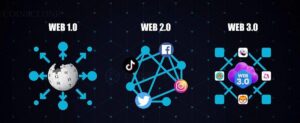
Web3 applications (dApps) are transforming social media, gaming, finance, and content creation by putting control back into users’ hands.
2. Decentralized Finance (DeFi) Expansion
DeFi continues to be one of the fastest-growing blockchain use cases.
Key trends in DeFi:
- Decentralized lending and borrowing platforms
- Yield farming and liquidity pools
- Blockchain-based insurance and derivatives
As scalability and security improve, DeFi is expected to disrupt traditional banking by offering borderless, permissionless financial services.
3. Blockchain and Artificial Intelligence Integration
The convergence of blockchain and AI is a powerful trend shaping the digital future.
How they work together:
- Blockchain ensures data integrity and transparency for AI models
- AI improves blockchain analytics, automation, and fraud detection
- Decentralized AI marketplaces enable fair data sharing
This combination is especially impactful in healthcare, finance, cybersecurity, and supply chain optimization.
4. Enterprise Blockchain Adoption
Large enterprises are increasingly adopting blockchain for real-world business solutions.
Popular enterprise use cases:
- Supply chain tracking and transparency
- Cross-border payments
- Identity verification and KYC
- Smart contracts for automation
Industries such as logistics, manufacturing, healthcare, and banking are leveraging private and hybrid blockchains to improve efficiency and trust.
5. Rise of Layer-2 Scaling Solutions
Scalability has long been a challenge for blockchain networks. Layer-2 solutions are solving this problem.
Examples include:
- Rollups (Optimistic & ZK-Rollups)
- Sidechains
- State channels
These technologies reduce transaction costs, improve speed, and enable mass adoption—especially for Ethereum-based applications.
6. Tokenization of Real-World Assets (RWA)
Tokenization is transforming how assets are owned and traded.
Assets being tokenized include:
- Real estate
- Stocks and bonds
- Art and collectibles
- Commodities
Blockchain-based tokenization increases liquidity, fractional ownership, and global accessibility—opening investment opportunities to more people.
7. Enhanced Blockchain Security and Privacy
As adoption grows, security and privacy are becoming top priorities.
Emerging security trends:
- Zero-knowledge proofs (ZKPs)
- Advanced cryptography
- Decentralized identity (DID) systems
These innovations ensure compliance with regulations while protecting user privacy—crucial for mainstream adoption.
8. Blockchain in Government and Public Services
Governments worldwide are exploring blockchain for transparency and efficiency.
Use cases include:
- Digital identity and e-governance
- Secure voting systems
- Land registry and public records
- Welfare and subsidy distribution
Blockchain helps reduce corruption, improve trust, and streamline public services.
9. NFTs Beyond Digital Art
NFTs (Non-Fungible Tokens) are evolving beyond art and collectibles.
Future NFT applications:
- Digital identity and credentials
- Music and media royalties
- Gaming assets and virtual worlds
- Ticketing and intellectual property
NFTs are becoming utility-driven, adding real value rather than speculation alone.
10. Sustainable and Green Blockchain Solutions
Energy consumption concerns are pushing blockchain toward sustainability.
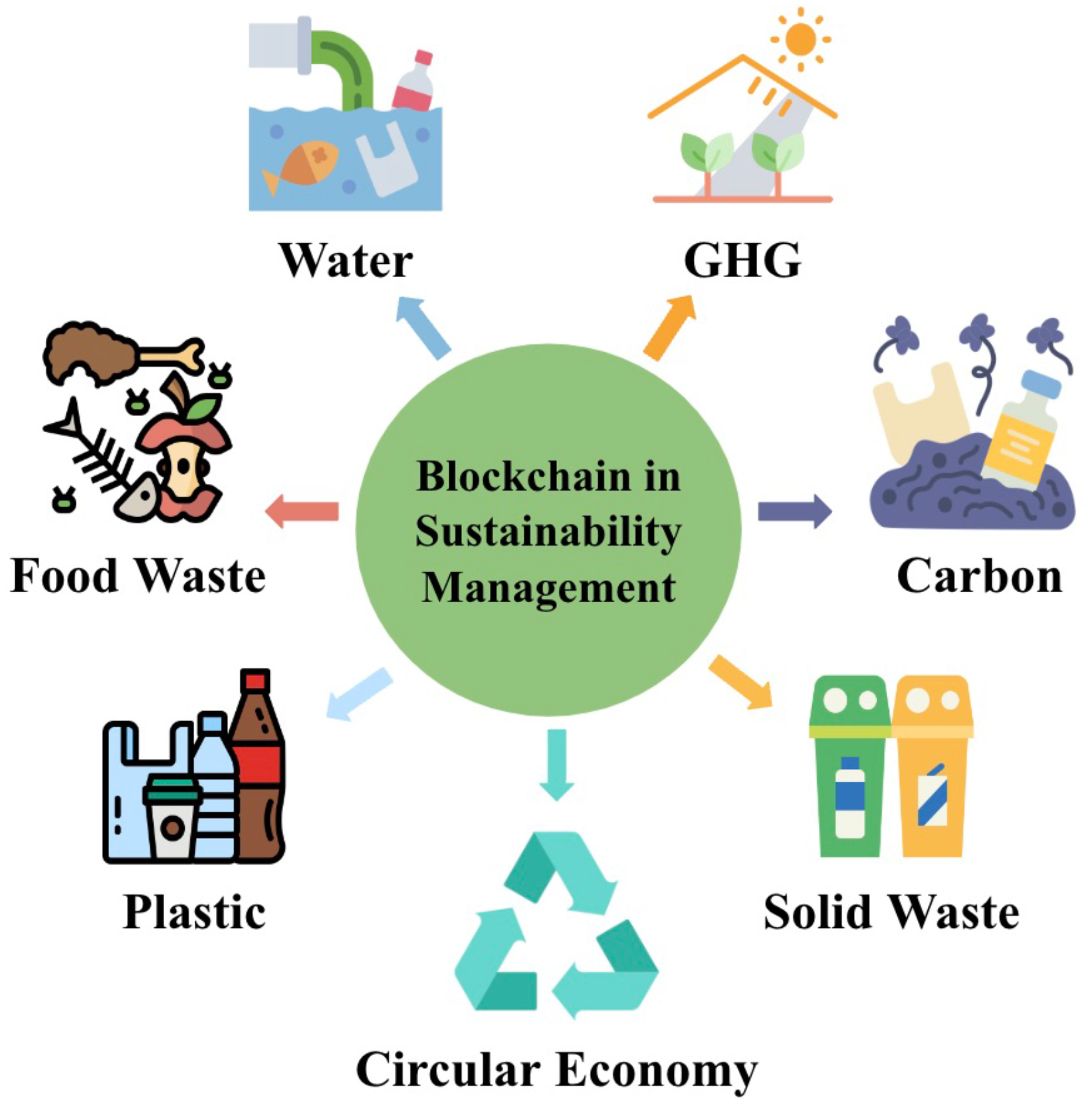
Key developments:
- Shift from Proof of Work (PoW) to Proof of Stake (PoS)
- Carbon-neutral blockchain networks
- Energy-efficient consensus mechanisms
Sustainable blockchain innovation will be critical for long-term global acceptance.
How Blockchain Will Shape the Digital Future
Blockchain technology is redefining:
- Trust in digital interactions
- Ownership of data and assets
- Transparency in business and governance
- Security in online ecosystems
As these trends mature, blockchain will become as essential as cloud computing and artificial intelligence.
Conclusion
The future of blockchain technology is not just about cryptocurrency—it’s about building a decentralized, secure, and transparent digital world. From Web3 and DeFi to enterprise adoption and sustainable solutions, blockchain trends are reshaping how we live, work, and transact online.
Businesses, developers, and digital marketers who understand and adopt these blockchain trends early will be best positioned to thrive in the next wave of digital transformation.