

Introduction
Connected TV (CTV) is rapidly reshaping the digital advertising ecosystem. As audiences move away from traditional cable television and spend more time on streaming platforms, advertisers are following the viewers. By 2026, Connected TV (CTV) & streaming-ad growth will dominate the media landscape, offering brands advanced targeting, measurable performance, and premium ad experiences. Streaming platforms are no longer just content distributors—they are now powerful advertising channels.
What Is Connected TV (CTV)?
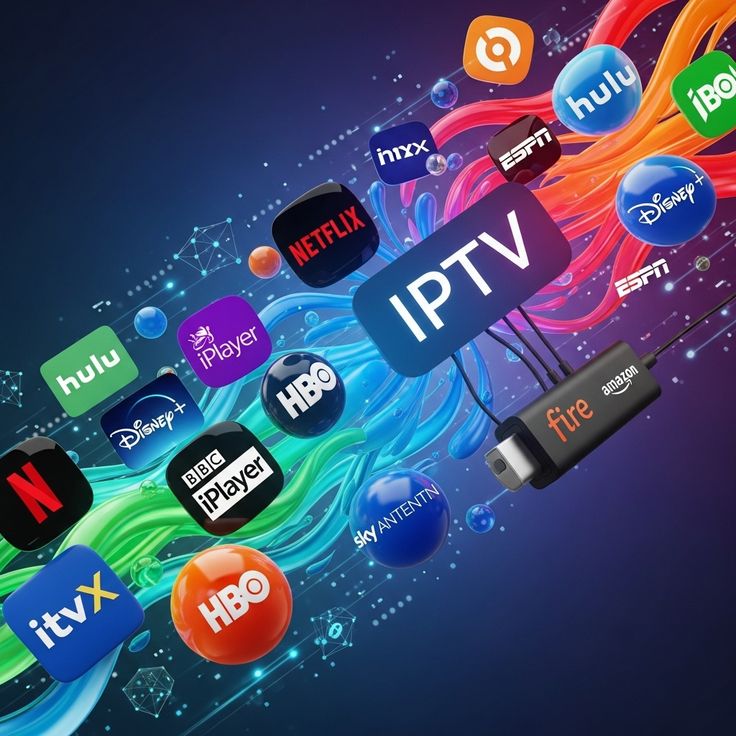
Connected TV (CTV) refers to any television that connects to the internet and allows users to stream content through apps such as Netflix, Amazon Prime Video, YouTube, Disney+, and ad-supported platforms like Hulu and Roku. Unlike traditional TV advertising, Connected TV (CTV) advertising uses digital data to deliver targeted ads to specific audiences.
CTV combines the impact of television with the precision of digital marketing, making it one of the fastest-growing ad formats globally.
Why CTV Advertising Is Growing So Fast
1. Streaming Has Become the New “Prime Time”
People no longer wait for scheduled shows. They watch what they want, when they want. Streaming hours have overtaken traditional TV globally, making CTV the new battleground for attention.
2. Advanced Targeting Like Never Before
Traditional TV ads show the same message to everyone. But CTV ads can target viewers based on
- Demographics
- Interest categories
- Location
- Behaviour patterns
- Viewing history
- This gives advertisers precision similar to Google Ads and Meta Ads, but on high-quality TV placements.
3. High Engagement & Non-Skippable Ads
Most CTV ads are unskippable, increasing the chances of complete viewership. Since viewers are already watching long-form premium content, attention span is naturally higher compared to mobile or desktop ads.
4. Lower Wastage & Better ROI
Advertisers can choose:
- Household-level targeting
- Frequency caps
- Specific streaming apps
- Specific content categories
This dramatically reduces wasted impressions and improves return on ad spend (ROAS).

5. Detailed Measurement & Analytics
Brands can measure:
- View-through rates
- Completion rates
- Household reach
- Device-level engagement
- Incremental lift
This data-driven ecosystem wasn’t possible with traditional TV advertising.
How CTV Advertising Benefits Small and Medium Businesses (SMBs)
The biggest myth is “CTV ads are only for big brands.” That is no longer true.
With programmatic buying, even small businesses can run CTV ads with budgets similar to YouTube campaigns. SMBs benefit through:
- Hyper-local targeting
- Affordable CPMs
- Premium visibility
- Brand trust growth
- High recall value
A local business can now appear on the same screen as globally known brands—once impossible in the traditional TV era.
What to Expect from Connected TV (CTV) in 2026
By 2026, Connected TV will be a core component of digital marketing strategies. Key trends include:
-
Increased programmatic CTV buying
-
Better attribution and measurement models
-
Deeper personalization using AI
-
Stronger integration with omnichannel campaigns
-
Growth of regional and local CTV advertising
Streaming platforms will continue evolving into full-fledged advertising ecosystems.
How Brands Can Prepare for CTV Advertising Success
To succeed with Connected TV (CTV) & streaming-ad growth, brands should:
-
Invest in high-quality video creatives
-
Focus on audience segmentation
-
Use data-driven insights for optimization
-
Align CTV campaigns with overall marketing goals
-
Work with experienced digital marketing partners
Early adoption and experimentation will give brands a competitive edge.
Best Platforms for CTV Advertising in 2026
Here are the top platforms offering strong ad inventory:
-
- YouTube TV – massive reach and diverse content
- Disney+ Hotstar – sports and entertainment
- Amazon Prime Video Ads (new) – shopping intent-based targeting
- Roku Ads—strong in the US and expanding globally
- Hulu – premium audience with high watch times
- Sony LIV / Zee5 / JioCinema – powerful Indian audience reach

Future of CTV: What’s Coming Next
The next phase of CTV advertising will include:
- Shoppable CTV ads (buy products directly from your TV)
- AI-driven household profiling
- Interactive video ads
- Personalized TV ad recommendations
- Attribution across devices
The lines between television and digital advertising are disappearing fast. CTV will become a mainstream advertising channel in almost every marketing strategy.
Why Streaming Platforms Are Growing Faster Than Traditional TV
Several factors are driving the shift from linear TV to streaming platforms:
-
Cord-cutting and cord-shaving trends
-
On-demand viewing preferences
-
Multi-device content consumption
-
Ad-free or ad-light user experiences
-
Personalized content recommendations
As viewership migrates, advertising budgets are shifting as well. Brands want to be where audiences are spending their time—and that is increasingly on Connected TV (CTV) platforms.
Industries Benefiting Most from Connected TV (CTV)
Several industries are already seeing strong results from CTV advertising:
-
E-commerce & D2C brands – product discovery and retargeting
-
Automotive – high-impact storytelling and launches
-
Finance & FinTech – trust-building campaigns
-
Healthcare & wellness – awareness-focused advertising
-
Entertainment & gaming – app installs and subscriptions
As targeting capabilities improve, more industries will adopt Connected TV (CTV) & streaming-ad strategies.
Challenges in CTV Advertising
Despite its growth, Connected TV advertising comes with challenges:
-
Fragmented platforms and ecosystems
-
Limited standardized measurement metrics
-
Frequency management across apps
-
Privacy and data compliance concerns
However, advancements in AI, identity resolution, and privacy-first targeting are addressing these issues quickly.
Conclusion
Connected TV (CTV) & streaming-ad growth are redefining the future of advertising. As streaming platforms become dominant media channels, brands that embrace CTV advertising will benefit from better targeting, measurable performance, and stronger engagement. By 2026, Connected TV will no longer be optional—it will be essential for brands aiming to stay relevant, competitive, and visible in a rapidly changing digital landscape.